


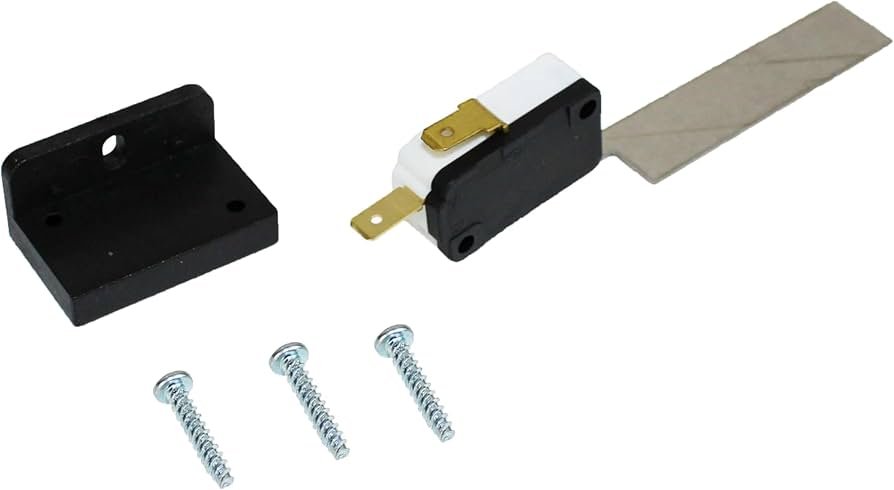
In the marine HVAC world, one component that often goes unnoticed—yet plays a critical role—is the Dometic Stowaway Flow Switch. Whether you operate a small recreational boat or a luxury yacht, the performance of your air conditioning system depends heavily on consistent seawater flow. The Dometic Stowaway Flow Switch acts as a smart safety mechanism that detects water movement and ensures your AC system stays protected from overheating, pump failure, and system damage.
This article provides a completely new, deeply detailed, and highly human-written explanation of how the Dometic Stowaway Flow Switch works, its benefits, installation best practices, troubleshooting techniques, maintenance tips, and answers to common questions. If you’re looking for a reliable, SEO-optimized guide with the keyword used naturally throughout, you’re in the right place.
What Is the Dometic Stowaway Flow Switch?
The Dometic Stowaway Flow Switch is an automatically operated water-flow monitoring device designed for Dometic marine air conditioning units. It ensures that cooling seawater is circulating properly through the system before the AC compressor can run. If the switch does not detect adequate water flow, it immediately prevents operation or shuts down the system to avoid overheating.
Marine AC units rely on seawater to cool the condenser. If that flow stops for even a short period—because of clogs, pump issues, or marine debris—the entire air conditioning system is at risk. The Dometic Stowaway Flow Switch eliminates this risk by acting like a reliable watchdog.
Why the Dometic Stowaway Flow Switch Is Essential for Marine AC Systems
Marine environments change constantly. Saltwater corrosion, algae growth, debris, or intake blockages are common threats. Without proper monitoring, these issues can cause thousands of dollars worth of damage. The Dometic Stowaway Flow Switch is essential because:
✔ It Protects the Compressor
The compressor is the heart of the marine AC system—and also the most expensive component. The flow switch helps prevent overheating and burnout.
✔ It Detects Water Flow Issues Instantly
Instead of letting the AC operate blindly, it constantly measures whether seawater is moving through the line.
✔ It Prevents Pump Overload
If the water pump runs dry due to a blockage or airlock, it can burn out. The flow switch prevents this by shutting down the AC early.
✔ It Enhances Energy Efficiency
With proper monitoring, the system only runs when water flow is optimal, reducing strain and energy waste.
✔ It Increases System Life
Consistent protection means fewer repairs, less corrosion, and longer-lasting equipment.
How the Dometic Stowaway Flow Switch Works
Although the design varies slightly across Dometic models, the functionality remains the same. Here is the step-by-step process:
1. Detecting Water Movement
The switch includes an internal paddle, magnetic sensor, or turbine-style mechanism. When seawater passes through the pipe, this component moves, signaling that water flow is sufficient.
2. Sending a Safety Signal
When water flow is normal, the flow switch tells the control board that conditions are safe, allowing the AC compressor to operate.
3. Automatic Shutdown on Low Flow
If water flow drops or stops, the switch immediately sends a warning to the control system. This triggers an automatic shutdown to protect the AC components.
4. Preventing Heat Damage
Since seawater is the cooling source, low flow means heat builds up rapidly. The flow switch ensures heat is controlled before damage occurs.
This simple mechanism provides powerful protection without requiring complicated electronics.
Signs Your Dometic Stowaway Flow Switch May Need Attention
Even though the Dometic Stowaway Flow Switch is highly reliable, marine conditions can affect its performance. Some indicators of potential issues include:
• Frequent system shutdowns
If the AC keeps shutting off with a “low flow” or “no flow” fault, the switch may not be sensing properly.
• Water pump running but no AC cooling
The switch may not be communicating with the control board.
• AC starts and stops repeatedly
This usually means the switch is intermittently detecting flow.
• False alarms in calm water
Debris or wear may be interfering with the internal sensor.
• Slow response to water flow
The mechanism might be dirty or obstructed.
If you notice any of these, further inspection is recommended.
Common Issues Affecting the Dometic Stowaway Flow Switch
The switch itself may be fine, but external elements can cause false or real low-flow conditions. Below are the most common problems:
1. Blocked Seawater Strainer
Marine debris, barnacles, and algae regularly clog strainers. This is the number one cause of flow switch activation.
2. Weak or Failing Pump
A worn-out impeller or electrical fault reduces water flow.
3. Airlocks in the Line
Air trapped in the suction line can prevent water movement.
4. Marine Growth in Hoses
Flexible hoses often accumulate buildup, especially in warm waters.
5. Electrical Corrosion
Saltwater creates corrosive conditions, and loose wiring can cause signaling issues.
6. Internal Sensor Wear
Over time, the switch’s paddle or magnetic element may wear down or stick.
Understanding these issues helps in accurate troubleshooting.
Troubleshooting a Dometic Stowaway Flow Switch
If your marine AC unit shows a flow-related error, follow this diagnostic sequence:
1. Check the Seawater Strainer First
Turn off the pump, remove the strainer cap, and clean the screen. Even slight debris can impact water flow.
2. Inspect the Water Pump
Ensure the pump is running continuously and delivering strong flow. Listen for unusual noises or vibration.
3. Examine the Intake Thru-Hull
Barnacles commonly block intake screens. A diver or brush tool may be needed for cleaning.
4. Flush the System
Use freshwater or a descaling solution to remove internal buildup.
5. Inspect the Flow Switch for Movement
Make sure the paddle or sensor moves freely and is not blocked by sediment.
6. Check Electrical Connections
Verify:
-
No corrosion
-
All wires securely attached
-
Control board is receiving signal
7. Test the Switch Mechanically
You can gently lift the paddle (if accessible) to see if the AC responds.
Do not run the AC without flow for more than a few seconds.
8. Replace the Switch if Needed
If all other components are functioning properly, the switch itself may be faulty and should be replaced.
Installing a Dometic Stowaway Flow Switch: Best Practices
Correct installation is essential for consistent performance. Here are expert marine AC installation tips
1. Follow the Direction of Flow
The housing usually has an arrow indicating the correct water direction.
2. Install in a Straight Section of Pipe
Avoid elbows or turbulence zones to ensure accurate detection.
3. Mount Horizontally or Vertically (Model-Dependent)
Check your Dometic manual for the recommended orientation.
4. Ensure Proper Hose Clamping
Use marine-rated stainless steel clamps to prevent leaks or vibrations.
5. Verify System Flow Before Finalizing Installation
Run the pump and confirm that the switch activates normally.
6. Use Marine-Grade Electrical Connectors
Moisture-resistant terminals ensure long-term durability.
Maintenance Tips for the Dometic Stowaway Flow Switch
A little preventive care can extend the life of your flow switch and AC system significantly.
✓ Clean the seawater strainer every 2–4 weeks
More frequently in warm or high-growth areas.
✓ Descale the circulation system yearly
Salt and calcium buildup narrow pipes and reduce flow.
✓ Inspect the switch during annual servicing
Check for corrosion, movement, and wiring quality.
✓ Keep hoses free of kinks
Reducing water flow can trigger false low-flow warnings.
✓ Flush with fresh water after long inactivity
This prevents deposits from hardening inside the switch.
When Should You Replace a Dometic Stowaway Flow Switch?
Replacement is recommended when:
-
The AC displays flow errors but the pump is working
-
Cleaning the system does not fix detection issues
-
The switch produces inconsistent signals
-
Electrical contact points show heavy corrosion
-
The internal mechanism is stiff or stuck
The good news? Replacement switches are affordable and usually easy to install.
Best Practices to Avoid Flow Switch Errors
If you want to minimize problems with your Dometic Stowaway Flow Switch, follow these recommendations:
• Keep your boat bottom clean
Marine growth restricts water intake significantly.
• Run the AC regularly
Inactive systems develop scale faster.
• Prime the pump after long storage
Airlocks are the most common issue after winterizing.
• Inspect fittings annually
Loose clamps can cause small leaks and reduce flow.
• Use a high-quality seawater pump
A weak pump will trigger unnecessary shutdowns.
Conclusion
The Dometic Stowaway Flow Switch is far more than a simple accessory; it’s a critical safeguard that ensures your marine AC system operates smoothly, efficiently, and safely. By constantly monitoring seawater circulation, it prevents pump failure, compressor overheating, electrical damage, and costly repairs. Understanding how this device works—and maintaining it properly—can significantly extend the lifespan of your entire marine HVAC system.
Whether you’re troubleshooting an existing setup, installing a new AC system, or simply learning how to care for your boat’s climate system, the Dometic Stowaway Flow Switch remains one of the most important components in modern marine air conditioning. With proper installation, regular maintenance, and awareness of common issues, you can enjoy reliable performance and peace of mind every time you head out on the water.
FAQs About the Dometic Stowaway Flow Switch
1. What is the main purpose of the Dometic Stowaway Flow Switch?
Its primary role is to monitor seawater flow and shut down the marine AC system if the flow becomes inadequate, protecting the compressor and pump.
2. Why does my AC show a low-flow error even when the pump is running?
This could be caused by a clogged strainer, reduced pump output, hose blockage, or a faulty flow switch.
3. How often should I check the flow switch?
You should inspect it during routine AC maintenance—typically every 6 to 12 months.
4. Can I bypass the flow switch?
Bypassing is possible for diagnostic purposes only. Running the AC long-term without it can result in severe damage.
5. Does the Dometic Stowaway Flow Switch wear out over time?
Yes. Marine conditions can cause internal wear, corrosion, or stiffness, so periodic inspection and occasional replacement are normal.

