


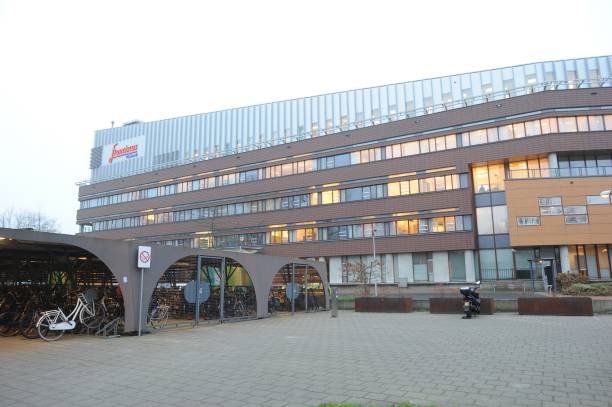
Agriculture today is no longer just about growing crops or raising livestock. It is deeply connected to economics, sustainability, global trade, and policy decisions. The Landbouw economisch instituut stands at the center of this connection, offering reliable economic research that helps the agricultural sector adapt and thrive. From farm income analysis to long-term food system planning, the institute provides insights that influence both local farming decisions and national strategies.
As economic pressure on farmers increases and environmental concerns grow stronger, the importance of accurate agricultural economic research has never been greater. This is where the Landbouw economisch instituut continues to play a crucial role.
What Is the Landbouw economisch instituut?
The Landbouw economisch instituut is a specialized research organization focused on the economic dimensions of agriculture, food production, and rural areas. Its work revolves around collecting data, analyzing trends, and translating complex economic information into practical knowledge.
Rather than focusing on theory alone, the institute emphasizes real-world applications. Its studies help explain how market changes, policy reforms, and environmental regulations affect farmers, agribusinesses, and consumers alike.
The Foundation and Growth of the Landbouw economisch instituut
Early Beginnings in Agricultural Research
The institute was originally established to bring structure and clarity to agricultural economic data. In earlier decades, farming relied heavily on experience and tradition. The Landbouw economisch instituut introduced systematic data collection, allowing stakeholders to understand production costs, pricing trends, and income stability more clearly.
Adapting to a Changing Agricultural Landscape
As agriculture modernized, the institute expanded its scope. Mechanization, globalization, and technological innovation transformed farming into a complex economic system. The Landbouw economisch instituut responded by broadening its research to include international trade, supply chains, and environmental impact assessments.
Core Functions of the Landbouw economisch instituut
Economic Analysis for Farmers and Agribusinesses
One of the key functions of the Landbouw economisch instituut is providing economic insights that support better farm management. This includes analyzing cost structures, investment risks, and productivity trends. Farmers use this information to improve efficiency and make long-term plans.
Policy Evaluation and Advisory Support
Government policies significantly influence agriculture. The Landbouw economisch instituut evaluates these policies by measuring their economic outcomes. This research helps policymakers understand which strategies work, which need adjustment, and how policies affect different segments of the agricultural sector.
Monitoring Agricultural Markets
Market volatility is a constant challenge in agriculture. The institute tracks price developments, supply and demand patterns, and global trade movements. This monitoring helps stakeholders anticipate market changes and reduce financial uncertainty.
The Role of the Landbouw economisch instituut in Sustainable Agriculture
Linking Economics and Environmental Responsibility
Sustainability is not only an environmental issue but also an economic one. The Landbouw economisch instituut studies how sustainable farming practices affect profitability and long-term viability. This research shows that environmentally friendly methods can also make economic sense.
Supporting Climate-Smart Agriculture
Climate change has introduced new risks for farmers. The institute analyzes how extreme weather, changing seasons, and climate policies impact agricultural economics. These insights support the transition toward climate-resilient farming systems.
Contribution to Rural Development and Food Systems
Strengthening Rural Economies
Rural areas depend heavily on agriculture for employment and income. The Landbouw economisch instituut examines how agricultural activities influence rural development, infrastructure, and social stability. Its findings help design strategies that support thriving rural communities.
Understanding the Entire Food Chain
From production to consumption, food systems involve multiple economic layers. The institute studies supply chains, processing industries, and consumer behavior to provide a complete picture of how food moves through the economy.
Innovation and Data-Driven Research at the Landbouw economisch instituut
Advanced Data Collection and Modeling
Modern agricultural research relies on data. The Landbouw economisch instituut uses large datasets, economic models, and forecasting tools to analyze trends and simulate future scenarios. This approach helps stakeholders prepare for potential challenges.
Collaboration with Academic and Industry Partners
Innovation is rarely achieved in isolation. The institute collaborates with universities, research organizations, and private companies. These partnerships ensure that research remains practical, current, and aligned with industry needs.
Challenges Facing the Landbouw economisch instituut
Responding to Global Uncertainty
Agriculture is influenced by global factors such as trade disputes, pandemics, and geopolitical tensions. The Landbouw economisch instituut must continuously adjust its research focus to reflect these unpredictable conditions.
Balancing Scientific Integrity and Policy Demand
Providing neutral, evidence-based analysis while meeting policy expectations is a delicate balance. The institute maintains credibility by prioritizing transparency and methodological rigor in its work.
The Future Direction of the Landbouw economisch instituut
The future of agriculture will demand even more economic insight. Digital farming, environmental regulations, and changing consumer preferences will shape the sector. The economisch instituut is expected to focus more on integrated research that connects economics, technology, and sustainability.
As decision-making becomes increasingly complex, the institute’s role as a trusted source of economic knowledge will continue to grow.
Conclusion: Why the Landbouw economisch instituut Remains Essential
The Landbouw economisch instituut is more than a research body—it is a guide for navigating the economic realities of modern agriculture. By delivering accurate data, practical analysis, and long-term perspectives, it supports farmers, policymakers, and rural communities alike.
In a world where agriculture must feed a growing population while protecting natural resources, economic insight is indispensable. The Landbouw instituut ensures that agricultural progress is both economically sound and socially responsible.
Frequently Asked Questions (FAQs)
1. What does the Landbouw economisch instituut focus on?
It focuses on agricultural economics, including farm management, policy analysis, sustainability, and rural development.
2. How does the Landbouw instituut help farmers?
It provides economic data and analysis that help farmers manage costs, reduce risks, and plan for the future.
3. Is the Landbouw economisch involved in sustainability research?
Yes, it studies the economic impact of sustainable farming and climate-related agricultural strategies.
4. Who uses the research produced by the institute?
Farmers, government agencies, agribusinesses, researchers, and rural planners rely on its findings.
5. Why is agricultural economic research important today?
It helps the agricultural sector adapt to market volatility, environmental challenges, and policy changes.

