


Books may be timeless, but the way we find and organize them has changed dramatically. In today’s digital-first book ecosystem, accuracy and structure matter more than ever. From independent bookstores to online catalogs, reliable book identification is essential. Just like solving an immaculate grid requires attention to detail and logical alignment, organizing book data depends on precision and consistency. The Serendipity booksellers book info string for ISBN author title plays a crucial role in making book information clear, searchable, and trustworthy.
This article explores how this book info string works, why it remains relevant today, and how it benefits booksellers, collectors, librarians, and readers alike.
Understanding the Serendipity Booksellers Book Info String for ISBN Author Title
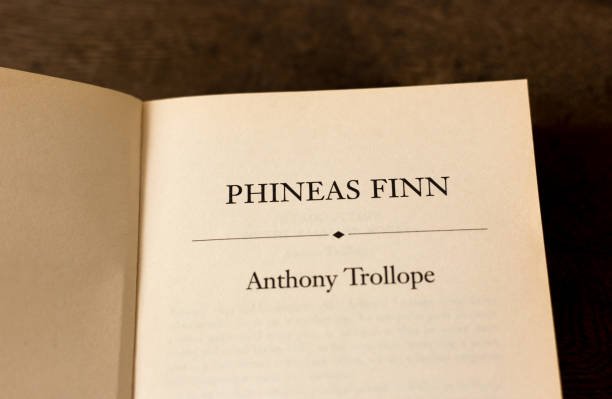
The Serendipity booksellers book info string for ISBN author title is a structured way of presenting essential book details in a single, readable format. It typically combines three core elements:
-
The ISBN
-
The author’s name
-
The book’s title
When these elements are presented together in a consistent sequence, they create a reliable identifier that removes ambiguity. This is especially important when dealing with books that have multiple editions, similar titles, or common author names.
Why Structured Book Information Still Matters Today
Precision in a Crowded Market
Millions of books exist, with thousands more published every day. Without standardized identifiers, finding the correct book becomes frustrating and inefficient. A structured book info string ensures that users land on the exact title they are searching for.
Trust Between Seller and Buyer
Accurate metadata builds confidence. When customers see clearly defined ISBNs, authors, and titles, they trust that the book listing reflects the actual product.
Long-Term Data Reliability
As bookstores grow or transition between systems, structured data remains stable and portable. This makes migrations, backups, and integrations far easier.
Breaking Down the Core Components
ISBN: The Backbone of Book Identification
The ISBN is the most precise identifier available in publishing. It distinguishes not only the book but also its format, edition, and publisher. Including the ISBN in the info string prevents costly mix-ups and ensures global recognition.
Author Name: Context and Credibility
Author names help differentiate books with identical or similar titles. They also support search filters, bibliographic records, and literary research.
Title: The Primary Discovery Point
The title is often how readers remember a book. When accurately paired with the ISBN and author, it becomes a powerful discovery tool rather than a source of confusion.
How Serendipity Booksellers Use Book Info Strings in Real Life
Independent Bookstores
Independent booksellers often manage diverse inventories with limited staff. The Serendipity booksellers book info string for ISBN author title allows them to maintain clarity without relying on overly complex systems.
Online Listings and Marketplaces
Online platforms benefit greatly from clean metadata. Structured book info strings improve product listings, reduce returns, and enhance customer satisfaction.
Libraries and Archives
Libraries rely on consistency. Structured strings support cataloging, interlibrary loans, and academic referencing.
The Role of Book Info Strings in Search and SEO
Better Search Engine Understanding
Search engines prioritize clarity. When book data follows a consistent structure, it becomes easier for algorithms to understand and rank content accurately.
Improved User Experience
Readers searching for a specific book want fast results. Clear metadata reduces friction and helps users find what they need without guesswork.
Reduced Duplicate Listings
Consistent ISBN-based strings prevent duplicate records, which can dilute search performance and confuse users.
Common Challenges Without Structured Metadata
Without a proper book info string, booksellers often face:
-
Duplicate inventory entries
-
Incorrect editions being shipped
-
Customer complaints and returns
-
Poor search visibility
-
Time wasted correcting errors
Structured data eliminates many of these issues before they occur.
Best Practices for Using the Serendipity Booksellers Book Info String for ISBN Author Title
Maintain a Fixed Order
Always use the same sequence when presenting book data. Consistency improves both human readability and system accuracy.
Double-Check ISBN Validity
An incorrect ISBN can completely misidentify a book. Verification is essential.
Keep Records Updated
When new editions are released or titles change, update the info string promptly.
Avoid Unnecessary Formatting
Extra symbols, inconsistent spacing, or abbreviations can reduce clarity and introduce errors.
Why Human-Centered Data Design Still Matters
While automation and AI are shaping the publishing industry, human judgment remains essential. Metadata is not just about machines—it’s about helping people discover stories, knowledge, and ideas.
The Serendipity approach reflects this balance. It prioritizes clarity without sacrificing flexibility, making it suitable for both modern systems and traditional bookselling values.
Much like an immaculate grid rewards thoughtful organization, effective book metadata rewards those who value structure and accuracy.
The Future of Book Metadata
As publishing continues to evolve, structured metadata will only grow in importance. Emerging technologies such as AI-driven recommendations and digital archives rely heavily on clean, reliable data.
The Serendipity booksellers book info string for ISBN author title is well-positioned to remain relevant because it is simple, adaptable, and grounded in universal publishing standards.
Conclusion
The Serendipity booksellers book info string for ISBN author title is a vital tool in today’s book industry. It brings order to complexity, supports accurate discovery, and strengthens trust between sellers and readers. By combining ISBNs, author names, and titles into a consistent, readable format, booksellers can improve efficiency, reduce errors, and enhance visibility across platforms.
In a world overflowing with information, clarity is a competitive advantage. Structured book metadata is no longer optional—it is essential.
Frequently Asked Questions (FAQs)
1. What makes a book info string different from a simple title listing?
A book info string includes structured identifiers like ISBN and author name, making it far more accurate than a title alone.
2. Is the ISBN always necessary in book metadata?
Yes, the ISBN is the most reliable way to distinguish between editions and formats of the same book.
3. Can this info string be used for digital and physical books?
Absolutely. It works equally well for print books, eBooks, and audiobooks.
4. Does structured book metadata help independent sellers compete online?
Yes, clean metadata improves search visibility and customer trust, leveling the playing field.
5. How often should book info strings be reviewed?
They should be reviewed whenever inventory changes, new editions are released, or catalog systems are updated.

