


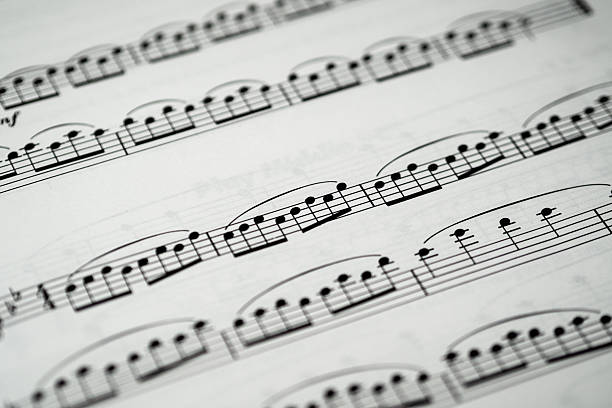
The landscape of modern neo-soul was permanently altered with the release of What Kinda Music, the collaborative album between guitarist Tom Misch and drummer Yussef Dayes. At the heart of this sonic exploration lies “Tidal Wave,” a track that has become a “must-learn” for rhythm section enthusiasts. If you are searching for Tom Misch Tidal Wave bass sheet music, you are likely looking to capture the elusive, liquid feel that defines the London jazz-fusion sound. This article breaks down the composition, the performance, and the technical nuances required to master this iconic low-end masterpiece.
The Artistic Significance of Tom Misch Tidal Wave Bass Sheet Music
When musicians look for Tom Misch Tidal Wave bass sheet music, they aren’t just hunting for a sequence of notes. They are looking for a lesson in “the pocket.” The bassline, performed by the phenomenal Rocco Palladino, serves as the glue between Tom Misch’s ethereal, reverb-soaked guitar chords and Yussef Dayes’ complex, breakbeat-style drumming.
The song’s structure relies on a deep, repetitive groove that evolves through subtle variations. Unlike traditional pop music where the bass serves a purely functional role, in “Tidal Wave,” the bass is a melodic voice. It breathes, reacts to the snare hits, and provides a harmonic foundation that feels both ancient and futuristic. Understanding the Tom Misch Tidal Wave bass sheet music is essential for any player wishing to bridge the gap between classic Motown thump and modern hip-hop sensibilities.
The Mastermind Behind the Strings: Rocco Palladino
To play the Tom Misch Tidal Wave bass sheet music correctly, one must understand the pedigree of the performer. Rocco Palladino, son of the legendary Pino Palladino, brings a unique sensibility to the track. While his father is famous for the fretless “mwah” sound of the 80s and the D’Angelo “Voodoo” era swing, Rocco has developed a style that is distinctly his own.
His work on “Tidal Wave” is characterized by:
-
Minimalism with Intent: Every note has a specific purpose.
-
Percussive Ghost Notes: Using the bass as a rhythm instrument to complement the percussion.
-
Micro-Timing: Playing “behind the beat” to create a relaxed, soulful tension.
When you analyze a professional transcription of Tom Misch Tidal Wave bass sheet music, you see the influence of J Dilla’s “drunk” swing—a style that favors a human, slightly imperfect timing over the rigid grid of a computer.
Technical Breakdown of Tom Misch Tidal Wave Bass Sheet Music
If you are looking at a set of Tom Misch Tidal Wave bass sheet music, you will notice that the complexity lies not in the speed of the notes, but in their articulation. Here is a breakdown of the technical elements you will encounter:
1. The Harmonic Foundation
The song is largely centered around an F# minor tonality, but it flirts with Dorian and Aeolian modes. The Tom Misch Tidal Wave bass sheet music will show you how Rocco navigates these scales by using the 5th and the octave as “anchor points” while using chromatic passing tones to slide into the next chord change.
2. Ghost Notes and Dead Notes
A signature of this track is the “cluck” sound between the melodic notes. In your Tom Misch Tidal Wave bass sheet music, these are usually marked with an ‘X’. These percussive hits are created by muting the string with the left hand while striking it with the right. It mimics the hi-hat and snare, creating a “linear” groove where the bass and drums become one instrument.
3. Slurs, Slides, and Hammer-ons
The “Tidal Wave” title is reflected in the fluidity of the bassline. The notation will frequently feature slides from the 7th to the 9th fret and quick hammer-ons from the minor 3rd to the 4th. These articulations are what make the bassline sound “watery” and smooth rather than clinical.
Tone Selection for Tom Misch Tidal Wave Bass Sheet Music
You can have the most accurate Tom Misch Tidal Wave bass sheet music in the world, but if your tone is wrong, the vibe will vanish. To replicate the sound of the record, consider the following gear and settings:
-
The Bass: Rocco famously uses a Fender Precision Bass. The “P-Bass” provides a mid-forward, punchy sound that sits perfectly in a mix filled with synthesizers.
-
The Strings: Flatwound strings are highly recommended. They offer a mellow high-end and a focused fundamental note, which is crucial for the neo-soul aesthetic.
-
The Plucking Position: Avoid plucking near the bridge. Instead, move your right hand toward the base of the neck. This produces a rounder, darker tone that emphasizes the “thump” over the “ping.”
-
Compression: Use a light amount of compression to ensure your ghost notes are audible without making the primary notes sound unnatural.
Why You Should Study Tom Misch Tidal Wave Bass Sheet Music
For the modern student of music, studying Tom Misch Tidal Wave bass sheet music offers several pedagogical benefits:
-
Rhythmic Discipline: It teaches you how to maintain a repetitive loop without becoming boring.
-
Listening Skills: It forces you to listen to the drummer’s ghost notes on the snare and align your bass “pops” with them.
-
Efficiency: It demonstrates how few notes are actually needed to create a world-class groove.
-
Improvisation: Once you learn the basic Tom Misch Tidal Wave bass sheet music, the track provides a perfect canvas for practicing your own fills and variations within a jazz-pop context.
Where to Source Reliable Transcriptions
Finding high-quality can be tricky because the song relies so heavily on “feel” which is hard to notationally represent.
-
Standard Notation vs. TAB: For this specific track, standard notation is superior because it clearly shows the rhythmic duration and the rests. However, TAB is helpful for seeing exactly which string Rocco uses to maintain a consistent timbre.
-
Digital Platforms: Sites like Songsterr and Musescore often have user-generated versions. Always cross-reference these with a “live” video of Rocco playing to ensure the fingerings are authentic.
-
Ear Training: The ultimate goal after reading the should be to put the paper away and play by feel. The sheet music is your map, but the recording is your destination.
Conclusion: Riding the Wave
Mastering the is a rewarding journey into the heart of London’s contemporary music scene. It represents a perfect marriage of technical proficiency and emotional expression. By focusing on the nuances—the ghost notes, the slides, and the “behind the beat” timing—you will not only learn a song but also improve your overall approach to the instrument.
The low end of “Tidal Wave” isn’t just a bassline; it’s a rhythmic philosophy. Whether you are playing along in your bedroom or performing in a jazz club, the lessons contained within these bars will stay with you for a lifetime.
Frequently Asked Questions (FAQs)
1. Is “Tidal Wave” played on a 4-string or 5-string bass?
The is written for a standard 4-string bass. Rocco Palladino typically uses a 4-string Fender Precision Bass for this track, as the range does not require the low B string.
2. How do I achieve the “swing” found in the Tom Misch Tidal Wave bass sheet music?
The swing is a mix of triplet-based feel and “lazy” timing. Instead of playing exactly on the beat, try to imagine your notes are being pulled back by a magnet. Practice with a metronome set to a slow tempo to feel the “gap” between the click and your note.
3. What is the most difficult part of the Tom Misch Tidal Wave bass sheet music?
Most players find the ghost-note patterns the most challenging. Keeping them consistent and percussive without letting them ring out requires significant left-hand muting technique.
4. Can I play this song with a pick?
While you can, it is not recommended if you want to match the original sound. The Tom Misch Tidal Wave bass sheet music is designed for fingerstyle playing, specifically using the pads of the fingers to get a warm, fleshy attack.
5. Are there any specific pedals used in the “Tidal Wave” bass sound?
The sound is very organic. Aside from a high-quality preamp and some subtle compression, there are no obvious heavy effects. The “magic” comes from the player’s fingers and the choice of flatwound strings.

