


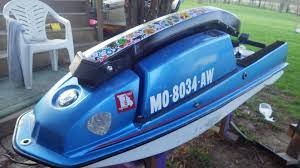
The Kawasaki JS550 is the quintessential vintage stand-up jet ski, but its aging factory carburetor often leaves much to be desired in terms of reliability and throttle response. Upgrading to a Mikuni SBN (Super BN) 38mm is the gold standard for performance, but achieving the perfect Mikuni Super BN38 tuning on a 1988 JS550 requires a deep understanding of how this specific piston-port engine breathes. Unlike modern fuel-injected watercraft, the JS550 relies on precise atmospheric pressure and vacuum pulses to deliver power, making your tuning skills the difference between a “dog” and a “rocket.”
In this guide, we will break down the mechanics of the SBN 38, the specific internal specs required for the 1988 hull, and the step-by-step process of dialing in your settings on the water.
Why Choose the Mikuni Super BN38 for the 1988 JS550?
The “BN” stands for Butterfly Needle, and the “Super” refers to the integrated fuel pump design. For a 1988 JS550, the 38mm version is widely considered the “sweet spot.” While a 44mm carb exists, the 38mm maintains a higher intake velocity. This velocity is crucial for the 550 piston-port engine, as it helps pull fuel into the combustion chamber more efficiently at low RPMs, providing that “snap” you need when carving a tight turn or jumping a wake.
When embarking on Mikuni Super BN38 tuning on a 1988 JS550, you aren’t just adjusting fuel; you are matching the carburetor’s output to the specific atmospheric and mechanical demands of a classic two-stroke powerplant.
Internal Calibration: The “Guts” of the Carburetor
Before you even mount the carb to your 550, you must ensure the internal components are set to a baseline that suits the 531cc Kawasaki engine. If these are wrong, the external screws won’t be able to compensate.
1. The Pilot Jet (Low Speed)
The pilot jet handles the engine from idle up to roughly 25% throttle. For a JS550 with basic modifications (like an aftermarket pipe or flame arrestor), a 70 or 75 Pilot Jet is usually the best fit. If the jet is too small, the ski will lean out and stall when you try to take off.
2. The Main Jet (High Speed)
This jet controls the fuel flow at wide-open throttle (WOT). A 130 or 135 Main Jet is a safe starting point. During your Mikuni Super BN38 tuning on a 1988 JS550, always err on the side of a larger jet (richer) to prevent the engine from running too hot and melting a piston.
3. Pop-Off Pressure (The Heart of the System)
Pop-off pressure is the amount of pressure required to lift the needle off the seat. On a piston-port 550, you generally want a 1.5 or 2.0 Needle and Seat combined with a spring that yields 19 to 23 PSI.
-
Too High: The ski will hesitate or “bog” when you hit the gas because the needle isn’t lifting soon enough.
-
Too Low: The carb will “dribble” fuel, causing the engine to flood at idle or be difficult to start when warm.
Initial Bench Settings
To get the engine started for the first time, set your external adjustment screws to these “standard” positions:
-
Low-Speed Screw: 1 and 1/4 turns out from closed.
-
High-Speed Screw: 1 turn out from closed.
-
Idle Screw: Adjust so the butterfly plate is just barely visible through the throat.
Step-by-Step On-Water Mikuni Super BN38 Tuning on a 1988 JS550
You cannot properly tune a jet ski on a trailer. The impeller needs the resistance of the water to put a load on the engine. Follow this sequence for the best results:
Phase 1: The Low-Speed Circuit
Warm the engine up thoroughly. From a slow crawl, suddenly pin the throttle to 100%.
-
If the engine makes a “wahhh” hollow sound and dies, it is too lean. Turn the Low-Speed screw out (counter-clockwise) in 1/8 increments.
-
If the engine stutters, smokes heavily, and slowly climbs in RPM, it is too rich. Turn the screw in (clockwise).
Phase 2: The High-Speed Circuit
Find a long, flat stretch of water. Hold the throttle wide open for about 10 seconds.
-
Listen for “pinging” or a sudden drop in power (sign of overheating/lean). Immediately let off and open the High-Speed screw.
-
If the engine reaches a certain RPM and sounds like it’s hitting a rev-limiter (stuttering), it’s likely too rich.
Phase 3: The Plug Chop
This is the most critical part of Mikuni Super BN38 tuning on a 1988 JS550. After a full-speed run, kill the engine instantly while still at WOT. Coast to a stop and pull your spark plugs.
-
Tan/Cocoa Brown: Perfect.
-
White/Grey: Dangerously lean. Do not ride until you add more fuel.
-
Black/Sooty: Too rich. You are wasting fuel and losing power.
Common Pitfalls and Troubleshooting
Even with perfect Mikuni Super BN38 tuning on a 1988 JS550, other mechanical issues can masquerade as “carb problems.”
-
Crankshaft Seals: If your 1988 seals are original, they may be leaking air. This causes a “runaway idle” where the engine stays at high RPM even when you let off the gas. No amount of carb tuning will fix a vacuum leak.
-
Pulse Line Health: The SBN 38 relies on a vacuum pulse from the crankcase. Ensure the hose is zip-tied tight and isn’t “mushy.” A weak pulse means the fuel pump won’t keep up at high speeds.
-
Fuel Quality: Modern ethanol fuel eats the rubber diaphragms inside the Mikuni. If your ski has been sitting, rebuild the carb with a genuine Mikuni kit before attempting any tuning.
Environmental Impact on Tuning
Remember that Mikuni Super BN38 tuning on a 1988 JS550 is not a “set it and forget it” task.
-
Temperature: Cold air is denser and requires more fuel. If you tune in the summer and ride in the late autumn, you must richen your screws.
-
Altitude: If you move from sea level to a mountain lake, your ski will run rich because there is less oxygen. You will need to turn your screws in slightly.
Pro-Tip: The “S” Manifold
Most 1988 JS550s come with a stock intake manifold designed for the old BN carb. To get the most out of your Mikuni Super BN38 tuning on a 1988 JS550, invest in a “SBN Adapter” or a dedicated aftermarket manifold. This ensures the airflow transition from the carb to the engine is smooth, preventing turbulence that can cause “ghost” lean spots.
Conclusion
The 1988 Kawasaki JS550 is a classic piece of PWC history. By performing a proper Mikuni Super BN38 tuning on a 1988 JS550, you are effectively modernizing the engine’s fuel delivery system. It takes patience and a few sets of spark plugs to get it perfect, but the reward is a ski that starts on the first button press and pulls hard all the way to its top speed. Treat your Mikuni well, keep it clean, and your vintage 550 will continue to be the king of the local lake.
FAQs about Mikuni Super BN38 Tuning on a 1988 JS550
1. What happens if my pop-off pressure is too high?
If the pop-off is too high during your Mikuni Super BN38 tuning on a 1988 JS550, the engine will suffer from a “lean bog.” This means when you hit the gas, the engine won’t get fuel quickly enough, causing it to hesitate or stall.
2. Why do I need to change my flame arrestor with a BN38?
The stock 1988 airbox is very restrictive. To maximize the 38mm bore of the Mikuni, you need a high-flow flame arrestor. Just remember that more air requires more fuel (larger jets).
3. Can I tune the carb while the ski is on the garden hose?
No. Tuning on a hose only tells you if the engine will idle. Because there is no water resistance on the impeller, the engine will rev freely, which can lead to a false sense of security and a lean seizure once you hit the actual water.
4. How often should I rebuild my Mikuni SBN 38?
For optimal Mikuni Super BN38 tuning on a 1988 JS550, you should inspect the internal filter every season and replace the diaphragms every two years, especially if using fuel containing ethanol.
5. What spark plugs are best for a tuned JS550?
The standard NGK BR8ES or B8ES is perfect for a JS550. During tuning, use fresh plugs so you can clearly see the color changes on the porcelain insulator.

