


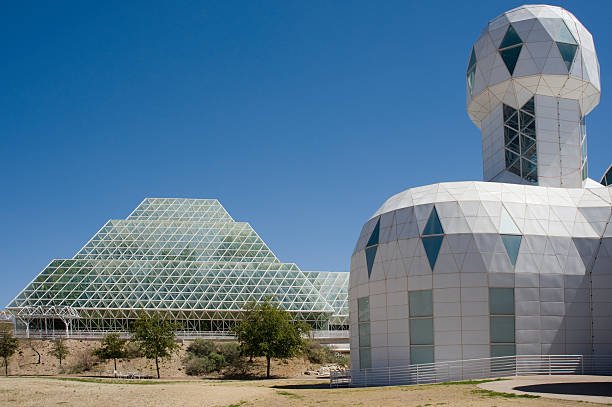
To describe the biosphere, we need to understand it as the thin yet powerful layer of Earth where life exists and thrives. The biosphere includes every living organism—plants, animals, and microorganisms—and the environments that support them. It stretches from the deepest ocean trenches to the upper layers of the atmosphere where life can survive.
The biosphere is not a single place but a complex, interconnected system that links air, water, and land. It allows life to grow, evolve, and adapt while maintaining balance within Earth’s natural processes. Without the biosphere, Earth would be a lifeless planet.
How Scientists Describe the Biosphere
When scientists describe the biosphere, they refer to the global network of ecosystems where organisms interact with physical elements such as soil, water, and air. The biosphere operates through continuous exchanges of energy and matter, making it a dynamic and self-regulating system.
Unlike artificial environments, the biosphere functions naturally. It relies on sunlight as its main energy source and uses natural cycles to recycle nutrients essential for survival.
Major Elements That Define the Biosphere
Atmospheric Role in the Biosphere
The atmosphere plays a vital role when we describe the biosphere. It supplies oxygen for breathing, carbon dioxide for photosynthesis, and nitrogen for plant growth. The lower atmospheric layer supports weather patterns that influence rainfall, temperature, and seasonal changes—factors that directly affect living organisms.
Water Systems Supporting Life
Water is the backbone of life, making the hydrosphere a central part of the biosphere. Oceans, seas, rivers, lakes, and wetlands host countless species and regulate Earth’s temperature. Aquatic ecosystems also produce a significant portion of the oxygen we breathe.
Land and Soil Contributions
The lithosphere provides the physical surface where terrestrial life exists. Soil contains minerals and nutrients necessary for plant growth, which in turn supports animals and humans. Forests, grasslands, and deserts are all land-based expressions of the biosphere.
Biological Organization Within the Biosphere
Living Organisms
Every organism, from bacteria to blue whales, is part of the biosphere. These organisms carry out life processes such as growth, reproduction, and adaptation.
Species Populations
A population consists of organisms of the same species living together. Population dynamics influence resource use, reproduction rates, and survival within the biosphere.
Communities and Ecosystems
Communities form when different species live together and interact. Ecosystems include these communities along with non-living elements like sunlight, soil, and water. This interaction is essential to properly describe the biosphere.
Energy Transfer in the Biosphere
Energy flow is fundamental to understanding how the biosphere works. The sun provides energy that plants convert into food through photosynthesis. Animals obtain this energy by consuming plants or other animals.
Decomposers such as fungi and bacteria break down dead organisms, returning nutrients to the environment. This continuous flow of energy keeps the biosphere functioning efficiently.
Natural Cycles That Sustain the Biosphere
Carbon Movement
Carbon moves between the atmosphere, living organisms, and Earth’s surface. This cycle supports plant growth and regulates global temperature.
Water Circulation
Water constantly moves through evaporation, condensation, and precipitation. This cycle ensures the availability of freshwater and supports ecosystems worldwide.
Nitrogen Availability
Nitrogen is essential for proteins and DNA. Specialized bacteria convert nitrogen into forms plants can absorb, making life possible across the biosphere.
Why the Biosphere Is Essential for Survival
To truly describe the biosphere, its importance must be emphasized. The biosphere supplies food, oxygen, medicine, and raw materials. It also absorbs waste, controls climate patterns, and supports biodiversity.
Human civilization depends on the biosphere for agriculture, industry, and economic stability. Without healthy ecosystems, human life would not be sustainable.
Modern Human Influence on the Biosphere
Human activities have reshaped the biosphere in recent decades. Urban expansion, industrial pollution, deforestation, and climate change have disrupted natural systems. These changes threaten species survival and ecosystem stability.
At the same time, scientific advancements and global awareness have led to conservation programs, renewable energy solutions, and environmental policies aimed at protecting the biosphere.
Ways to Preserve the Biosphere
Protecting the biosphere requires responsible choices at both individual and global levels. Sustainable farming, clean energy adoption, wildlife conservation, and reduced pollution all contribute to biosphere protection.
Education plays a key role in helping people understand why the biosphere matters and how everyday actions impact Earth’s living systems.
Strong Conclusion
In summary, to describe the biosphere is to explain the life-supporting zone that makes Earth unique in the universe. The biosphere connects air, water, land, and living organisms into a single, functioning system. It provides essential resources, regulates natural processes, and supports all forms of life. As human activities continue to influence the planet, protecting the biosphere has become a global responsibility. Preserving this delicate system ensures environmental balance, biodiversity, and a sustainable future for all living beings.
Frequently Asked Questions (FAQs)
1. What does the term biosphere mean?
The biosphere refers to all regions of Earth where life exists, including land, water, and air.
2. Why is it important to describe the biosphere?
Describing the biosphere helps people understand how life is supported and why environmental protection is necessary.
3. Is the biosphere limited to land areas only?
No, the biosphere includes oceans, rivers, soil, and parts of the atmosphere where life can survive.
4. How do humans affect the biosphere today?
Humans affect the biosphere through pollution, climate change, deforestation, and resource consumption.
5. How can the biosphere be protected for the future?
The biosphere can be protected through sustainable living, conservation efforts, and environmental education.

